When it comes to material handling in high-risk environments, safety must always be the top priority. High-risk environments, such as warehouses, construction sites, and manufacturing plants, present unique challenges that require stringent safety measures to protect workers and ensure efficient operations. At UMD Automated Systems, we understand the critical importance of maintaining safety standards and have compiled a comprehensive guide to best practices for material handling in these demanding settings.
Comprehensive Risk Assessment
Before implementing any material handling processes, conduct a thorough risk assessment. Identify potential hazards such as heavy machinery, uneven surfaces, and hazardous materials. This assessment should include:
- Identifying high-risk areas where accidents are more likely to occur.
- Evaluating the severity of potential hazards and the likelihood of their occurrence.
- Implementing control measures to mitigate identified risks.
A proactive approach to risk assessment helps in planning and deploying safety measures tailored to the specific environment.
Proper Training and Certification
Ensure all employees receive adequate training on material handling equipment and safety protocols. Training should cover:
- Operation of material handling equipment such as forklifts, pallet jacks, and conveyor belts.
- Safety procedures for loading, unloading, and transporting materials.
- Emergency response protocols in case of accidents or hazardous material spills.
Regular refresher courses and certification programs keep the workforce updated on the latest safety standards and best practices.
Use of Personal Protective Equipment (PPE)
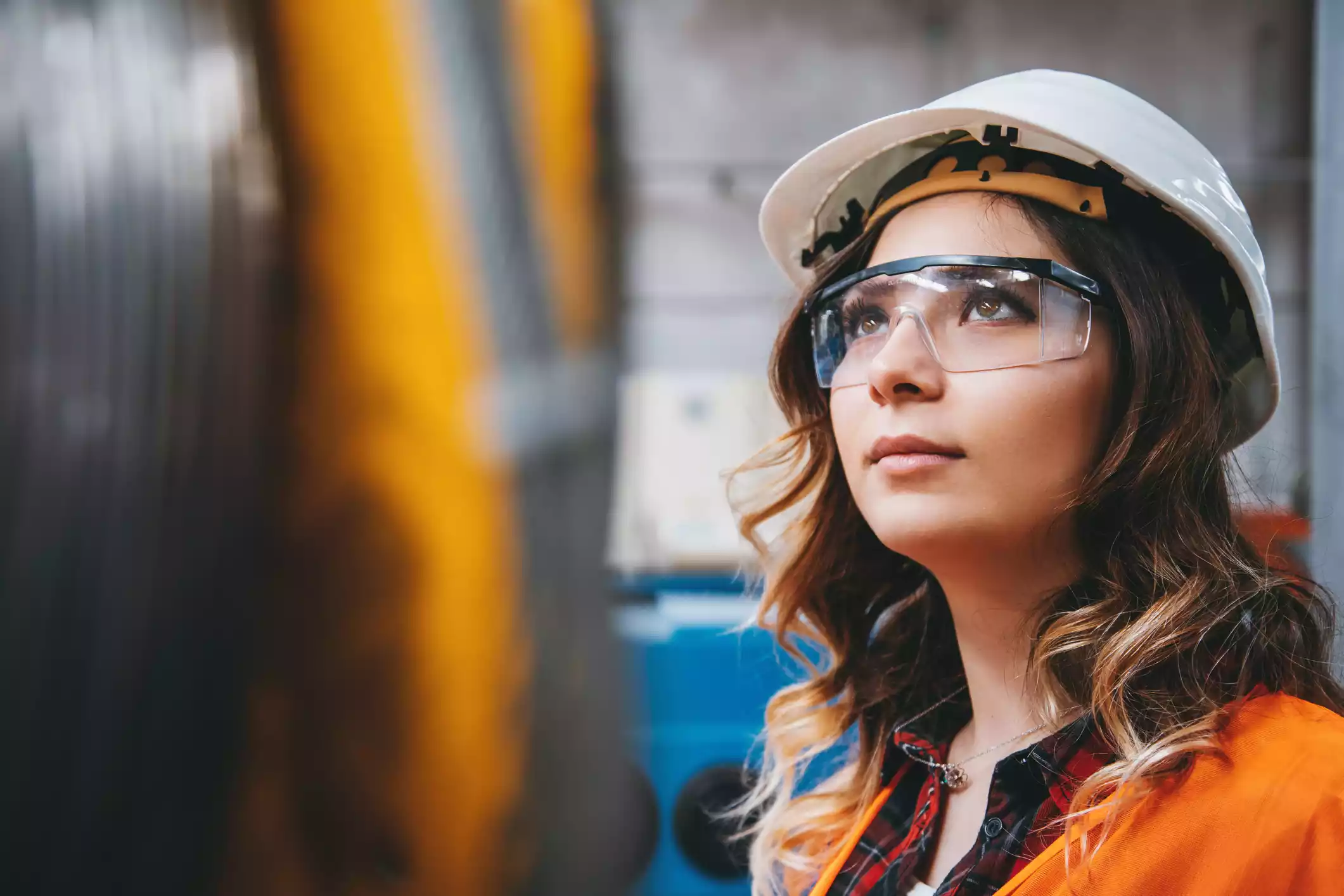
Personal Protective Equipment is essential in protecting workers from injuries. Depending on the environment, PPE may include:
- Helmets and hard hats to protect against head injuries.
- Gloves for handling sharp or hazardous materials.
- Safety goggles and face shields to prevent eye injuries.
- Reflective vests for visibility in low-light conditions.
- Steel-toed boots to guard against foot injuries.
Ensure PPE is properly fitted, regularly inspected, and replaced as necessary.
Implementation of Safety Technology
Leveraging advanced technology can significantly enhance safety in high-risk environments. Some useful technologies include:
- Automated guided vehicles (AGVs) to reduce human interaction with hazardous materials.
- Real-time location systems (RTLS) to track the movement of materials and equipment.
- Wearable technology that monitors worker health and alerts them to potential hazards.
- Safety sensors and alarms on machinery to prevent accidents.
Investing in safety technology can help in preventing accidents and improving overall operational efficiency.
Regular Equipment Maintenance
Ensure all material handling equipment is regularly inspected and maintained. This includes:
- Routine checks for wear and tear on machinery and tools.
- Scheduled maintenance to replace worn-out parts and prevent mechanical failures.
- Immediate repairs for any identified issues to avoid accidents.
Properly maintained equipment not only ensures safety but also extends the lifespan of the machinery.
Safe Material Handling Practices
Adopting and enforcing safe material handling practices is crucial. Some key practices include:
- Proper lifting techniques to avoid strain injuries. Encourage the use of equipment for heavy lifting.
- Securely stacking and storing materials to prevent falls and collapses.
- Using appropriate tools and equipment for specific tasks to ensure stability and control.
- Maintaining clear pathways to avoid tripping hazards and ensuring smooth movement.
Educate workers on the importance of adhering to these practices to maintain a safe working environment.
Emergency Preparedness
Be prepared for emergencies by having clear and accessible emergency plans. This includes:
- Clearly marked evacuation routes and emergency exits.
- Regular emergency drills to ensure workers know how to respond.
- Accessible first aid kits and trained personnel to administer first aid.
Effective emergency preparedness can save lives and reduce the severity of accidents.
Safety in high-risk environments is non-negotiable. By implementing these best practices, you can create a safer workplace that protects your employees and enhances operational efficiency. At UMD Automated Systems, we are committed to supporting your safety initiatives with our advanced material handling solutions. Contact us today to learn more.