
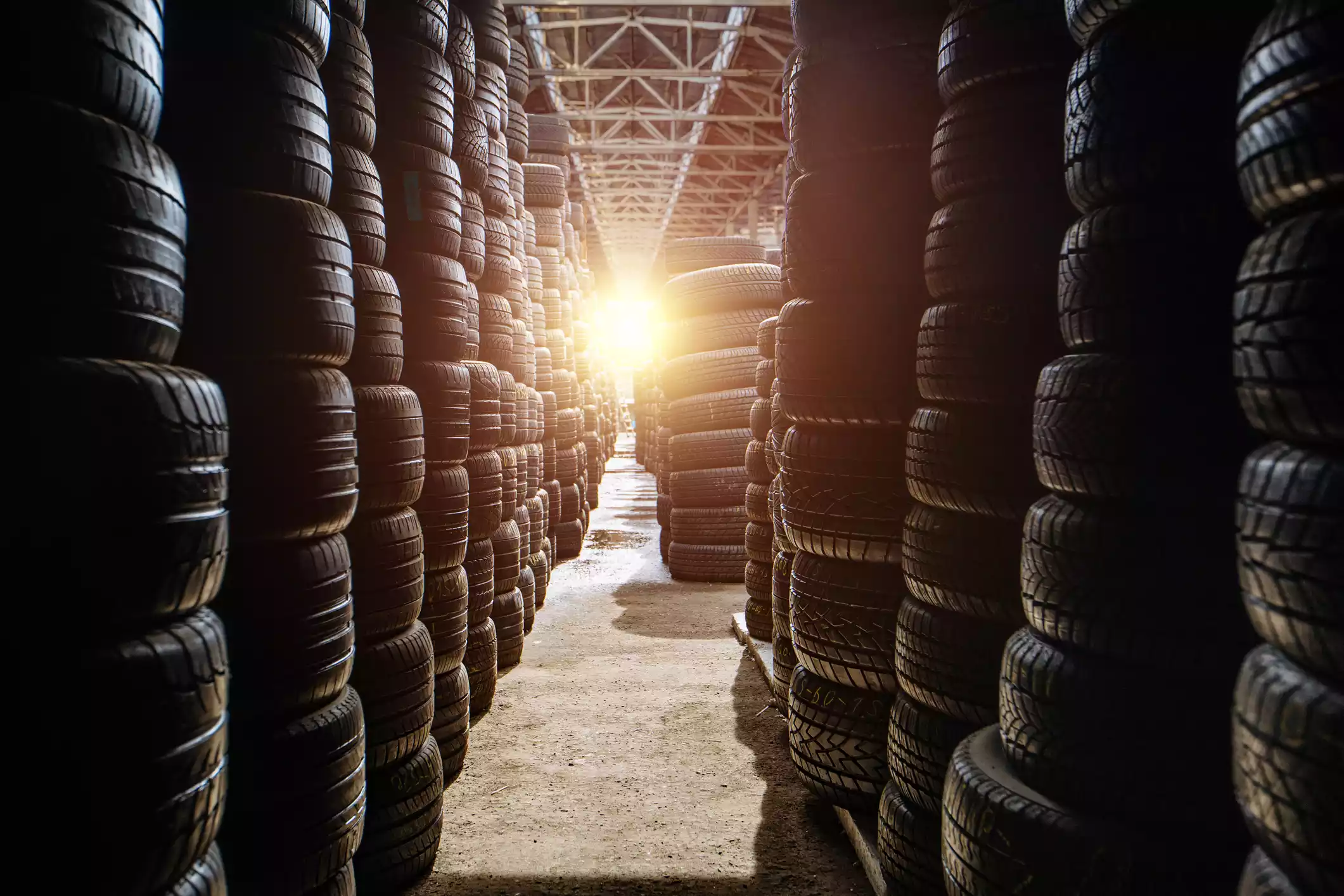
As we move into 2025, the tire manufacturing industry is poised for transformative changes driven by technological advancements, sustainability demands, and evolving consumer preferences. UMD Automated Systems, a leader in providing innovative automation solutions, is here to help manufacturers navigate this dynamic landscape. Let’s explore the top trends shaping the tire manufacturing industry in 2025 and beyond.
Sustainability Takes Center Stage
Environmental consciousness continues to drive change in tire manufacturing. From sourcing sustainable raw materials like natural rubber alternatives to adopting eco-friendly production processes, manufacturers are prioritizing sustainability. Recycling and circular economy initiatives, such as reclaiming end-of-life tires to create new products, are becoming standard practices. Investments in green technologies not only reduce carbon footprints but also meet regulatory requirements and customer expectations.
Smart Tires for a Connected Future
Smart tires equipped with sensors are revolutionizing the way consumers and fleet managers approach tire maintenance. These sensors monitor metrics like tread depth, pressure, and temperature in real-time, enabling predictive maintenance and enhancing safety. As connected vehicles become more prevalent, the demand for smart tires integrated with vehicle systems will continue to grow, pushing manufacturers to innovate further.
Automation and AI in Manufacturing
Automation and artificial intelligence (AI) are streamlining tire production processes, improving efficiency, and reducing waste. Advanced robotics, predictive analytics, and AI-powered quality control systems are enabling manufacturers to produce high-quality tires with greater consistency. UMD Automated Systems specializes in implementing customized solutions that help manufacturers optimize their operations and stay competitive.
Lightweight and High-Performance Materials
The automotive industry’s shift toward electric vehicles (EVs) is driving demand for lightweight and high-performance tires. New materials like silica-based compounds and advanced polymers enhance energy efficiency and extend tire life. Manufacturers are also focusing on reducing rolling resistance to improve EV range, a critical factor for consumer adoption.
Customization and Personalization
Consumers increasingly seek tires tailored to their specific needs, whether for off-road adventures, urban commutes, or performance driving. Advances in manufacturing processes, such as 3D printing and on-demand production, are making it possible to offer customized tires at scale. This trend not only enhances customer satisfaction but also opens new revenue streams for manufacturers.
Digital Twin Technology
Digital twins—virtual replicas of physical manufacturing systems—are gaining traction in the tire industry. These models allow manufacturers to simulate and optimize production lines, predict maintenance needs, and reduce downtime. UMD Automated Systems offers expertise in integrating digital twin technology into existing operations, enabling real-time insights and enhanced decision-making.
Focus on Safety and Compliance
Stricter safety regulations and standards are shaping tire design and manufacturing. Advanced testing protocols, supported by automated inspection systems, ensure compliance and improve product reliability. As regulatory bodies introduce new guidelines, manufacturers must stay ahead to avoid costly disruptions.
Embracing the Future of Tire Manufacturing
The tire manufacturing industry’s future is bright, filled with opportunities for innovation and growth. By staying informed about emerging trends and adopting cutting-edge technologies, manufacturers can meet the challenges of 2025 and beyond with confidence. UMD Automated Systems is committed to supporting the industry with tailored automation solutions that enhance productivity, sustainability, and quality.
Are you ready to transform your tire manufacturing operations? Contact UMD Automated Systems today to learn how we can help you drive innovation and efficiency in your production processes.