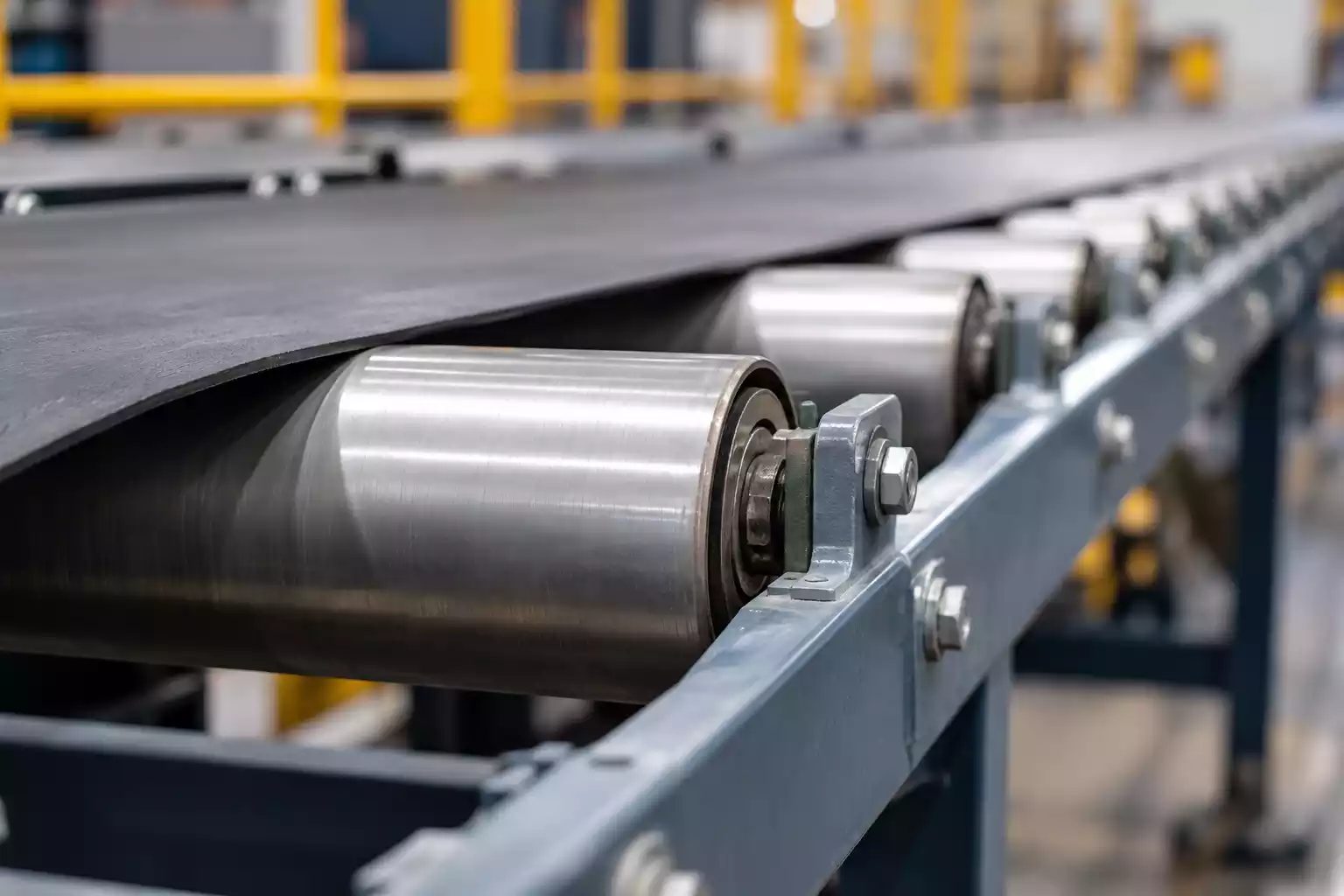
Roller systems play a critical role in material handling and manufacturing operations, keeping products moving efficiently through production lines, conveyor systems, and automated equipment. But when rollers fall out of alignment, even a small deviation can create problems that extend far beyond the affected component. Increased energy consumption, premature equipment wear, and inconsistent product quality can all result from misalignment.
Understanding these hidden costs helps manufacturers identify developing issues before they lead to unplanned downtime, expensive repairs, or production losses. Here’s what you should know according to the experts at UMD Automated Systems.
How Roller Misalignment Affects System Performance
Roller alignment directly influences how materials move through a system. When rollers are not properly positioned, products may drift, belts can track incorrectly, and mechanical components experience forces they were not designed to handle.
Misalignment can develop gradually due to normal wear, loose mounting hardware, frame distortion, improper installation, or changes in operating conditions. Without regular monitoring, these issues may go unnoticed until performance declines or a component fails.
Three common consequences deserve particular attention: increased energy demand, accelerated mechanical wear, and compromised product quality.
Energy Loss From Increased Friction and Resistance
Properly aligned rollers allow materials and belts to move with minimal resistance. Misalignment introduces additional friction and uneven loading, forcing drive motors to work harder to maintain the required speed and throughput.
Over time, this increased resistance can contribute to higher electricity consumption, additional heat generation, and reduced overall system efficiency. In facilities operating multiple conveyor lines or automated material handling systems, even modest increases in energy demand can add up across thousands of operating hours.
Monitoring motor current, power consumption, and drive performance can help maintenance teams identify changes that may indicate developing mechanical problems. When energy usage increases without a corresponding change in production volume, roller alignment is one factor worth investigating.
Premature Wear on Bearings, Belts, and Rollers
Misalignment also changes how loads are distributed throughout a roller system. Instead of sharing forces evenly, certain bearings and rollers may experience excessive radial or axial loads. These abnormal forces accelerate wear, increase operating temperatures, and shorten component service life.
Belt drift presents another concern. When rollers are misaligned, conveyor belts may gradually move away from their intended path, creating uneven edge wear, increasing the risk of belt damage, and potentially requiring frequent tracking adjustments.
Vibration can provide another early warning. Abnormal vibration may indicate uneven loading, worn bearings, loose components, or other mechanical issues associated with misalignment. If left unaddressed, these conditions can contribute to cascading failures that affect multiple parts of a system.
Routine inspections are valuable, but condition monitoring can help teams detect developing problems between scheduled maintenance intervals. Vibration analysis, bearing temperature monitoring, belt tracking sensors, and motor load data can provide a more complete picture of system health.
The Impact on Product Quality and Throughput
The consequences of roller misalignment are not limited to equipment performance. In automated production and material handling environments, inconsistent movement can directly affect the products moving through the system.
Depending on the application, belt drift and uneven roller loading can cause products to shift, rotate, jam, or travel through downstream processes incorrectly. These disruptions can lead to handling damage, positioning errors, inconsistent processing, and increased scrap or rework.
Misalignment can also create bottlenecks when operators must repeatedly stop equipment to correct tracking issues or clear jams. Even when a system remains operational, reduced throughput and frequent adjustments can undermine production targets.
For manufacturers working with tight tolerances or high-volume production schedules, preventing these disruptions can be just as important as reducing maintenance expenses.
Using Monitoring Solutions to Identify Problems Early
Effective roller system maintenance combines routine inspections with performance data. Rather than waiting for visible damage or an unexpected shutdown, manufacturers can use monitoring solutions to identify deviations from normal operating conditions.
Useful monitoring methods include vibration sensors that detect changes in mechanical behavior, temperature monitoring that identifies overheating bearings, and belt tracking sensors that flag movement away from the intended path. Motor current and energy monitoring can also reveal changes in mechanical resistance.
The most effective approach depends on the equipment, operating environment, production requirements, and consequences of failure. Critical systems with high downtime costs may benefit from continuous monitoring, while less critical equipment may be adequately served by periodic measurements and scheduled inspections.
Establishing baseline readings is essential. By comparing current performance against normal operating conditions, maintenance teams can distinguish meaningful changes from routine variation and prioritize corrective action before a minor issue escalates.
Improving Reliability Through Proactive Maintenance
Roller misalignment is easy to overlook because its effects often develop gradually. However, the cumulative impact of excess energy consumption, accelerated component wear, and inconsistent product movement can significantly affect operating costs and production reliability.
By combining proper installation, routine alignment checks, condition monitoring, and data-driven maintenance planning, manufacturers can identify problems earlier and make more informed decisions about repairs and equipment upgrades.
UMD Automated Systems helps manufacturers maintain effective material handling operations through conveyor system expertise, equipment support, and custom material handling solutions. Contact us today to learn more.
Leave A Comment